For production managers who need thousands of precise and lightweight metal components, high-pressure aluminum die casting is one of the fastest and most reliable manufacturing methods.
The process delivers excellent dimensional consistency, smooth finishes, and rapid production cycles, making it ideal for automotive and industrial applications.
Alloy Melting and Temperature Control
The process begins by melting high-quality aluminum alloys such as ADC12 or A380 at controlled temperatures.
Maintaining the correct molten temperature helps prevent defects such as cold shuts, incomplete filling, oxidation, and inconsistent mechanical properties.
High-Pressure Hydraulic Injection
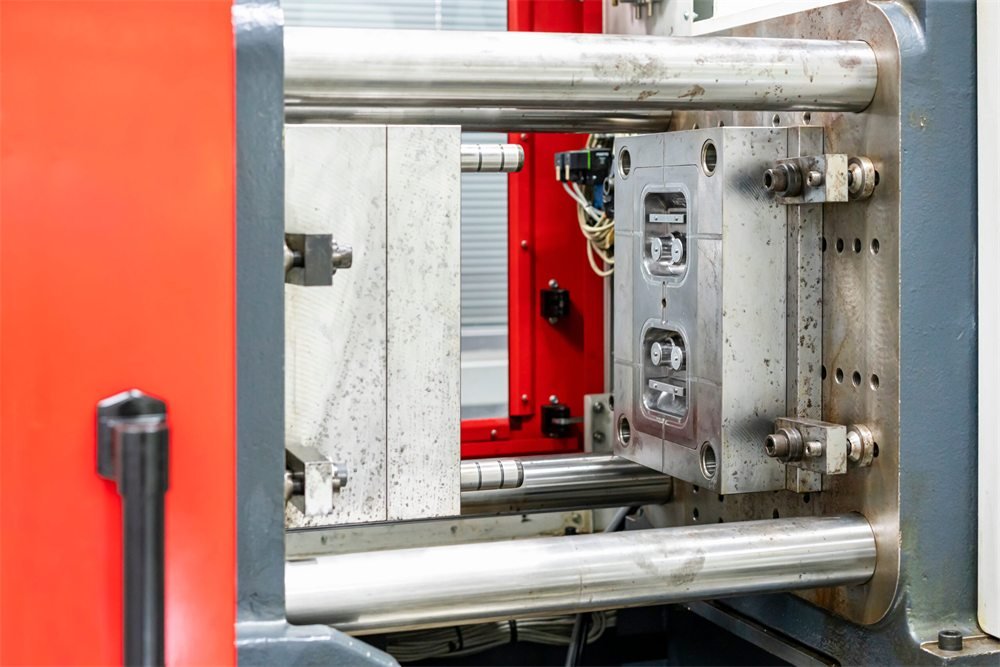
The molten aluminum is transferred into a cold-chamber die casting machine and injected into a locked steel mold under extreme pressure.
This pressure allows the metal to fill thin walls, ribs, detailed cavities, and complex shapes within seconds.
Rapid Cooling and Ejection
Once the mold is filled, the metal is held under pressure while it cools and solidifies.
The mold then opens automatically, and hydraulic ejector pins remove the finished component. Automated cooling and ejection help maintain fast cycle times and consistent quality throughout bulk production.
Common HPDC Applications
Automated high-pressure die casting is commonly used for:
- Automotive engine casings
- Gearbox and transmission housings
- Electrical enclosures
- High-strength brackets
- Motor housings
- Lighting components
- Industrial machinery parts
The process is especially suitable where low weight, strength, precision, and large production volumes are required.
Why Automation Matters
Automation helps control important production factors such as:
Better process control reduces variation, improves repeatability, and lowers rejection rates across thousands of components.